i.
Listening and context
The first step is to understand your story: when pain appears, what improves, what worsens, what your routine is like and what goals make sense for your moment.
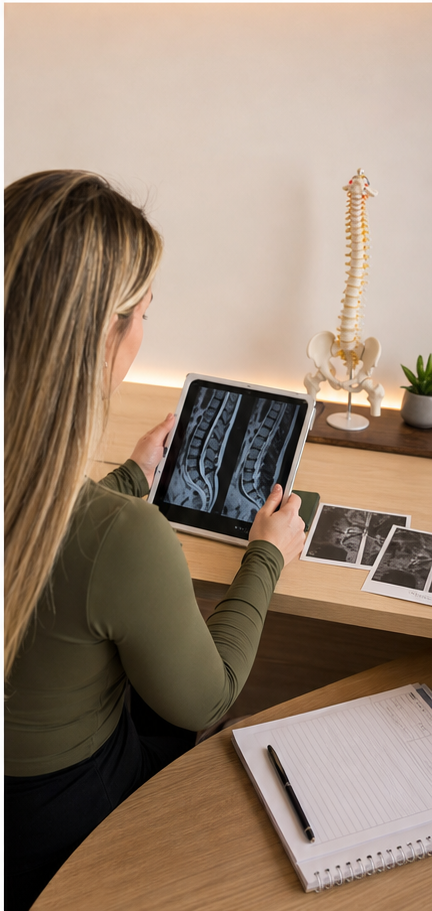
Pain, stiffness, fear of moving and post-surgery recovery call for careful assessment. The work is to recover function, with a progression built for your case.
MRI images of a patient undergoing spine rehabilitation, before and after one year integrating Pilates into conservative clinical care. Published with the patient's express authorization.
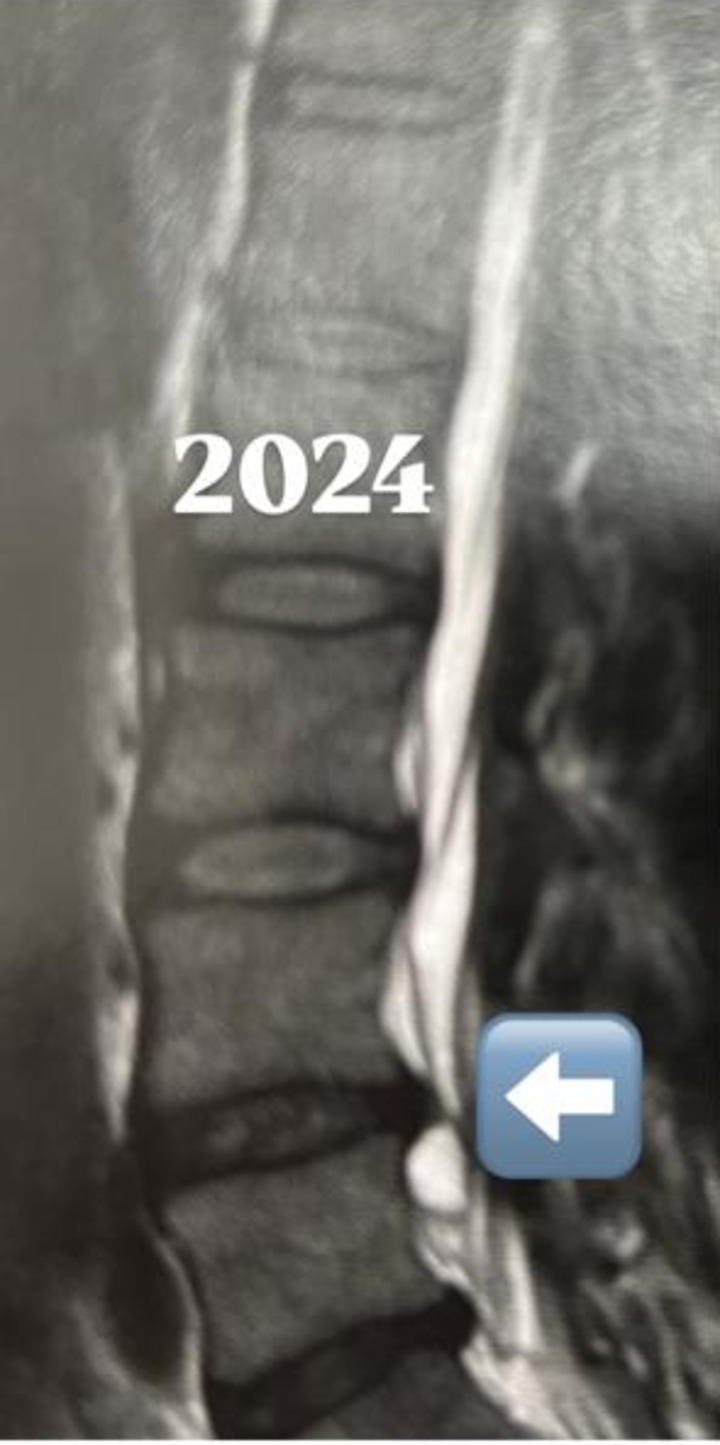 Before
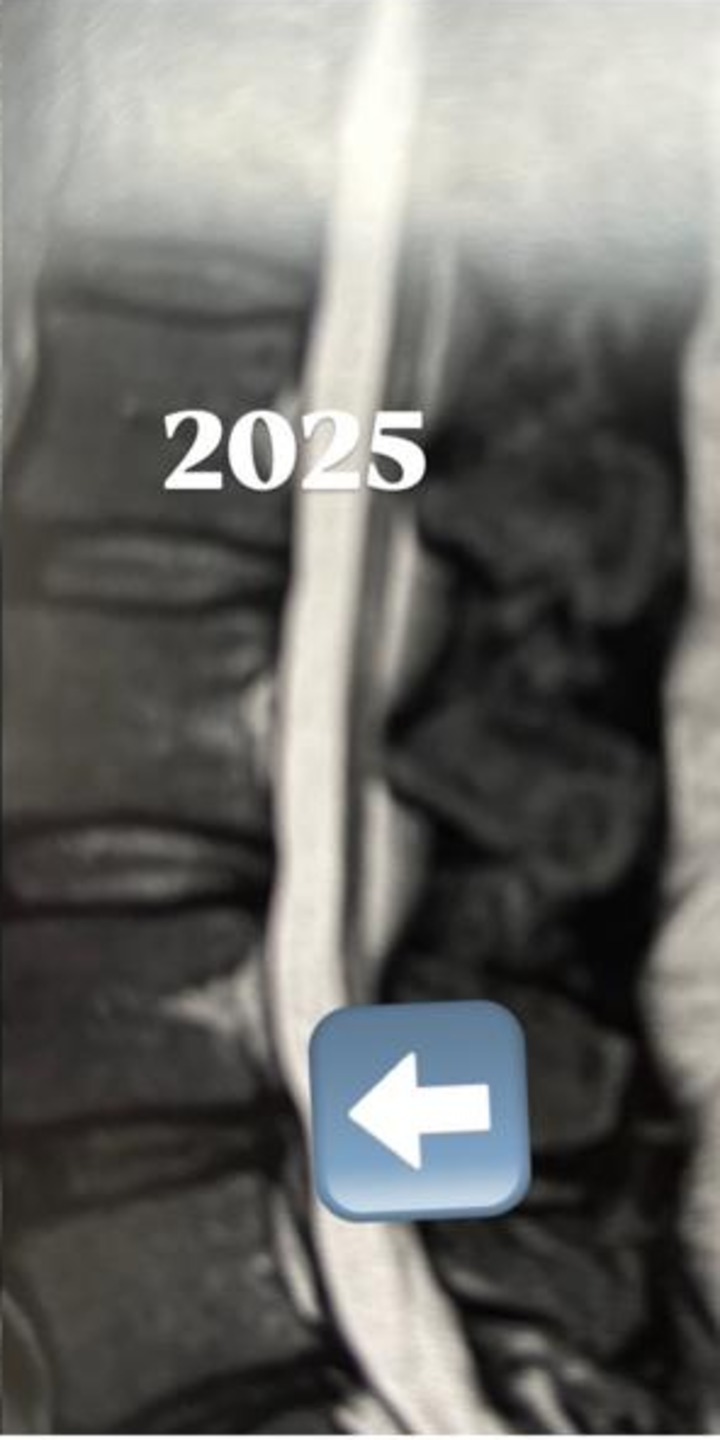 After · 1 year
This is an individual case. The patient followed a conservative treatment that combined physiotherapy, Pilates and load progression, under medical supervision. Each person responds differently: this result cannot be generalized or expected by other patients.
The literature includes clinical trials on Pilates in the care of chronic nonspecific low back pain, evaluating frequency, pain, function and disability (Miyamoto et al., 2016, Physical Therapy). Later studies also investigated different Pilates doses as a therapeutic exercise resource for chronic low back pain (British Journal of Sports Medicine).
Schedule spine evaluationAssessment is not an isolated moment. It organizes the conversation, observes movement and helps you choose the best starting point for your case.
The first step is to understand your story: when pain appears, what improves, what worsens, what your routine is like and what goals make sense for your moment.
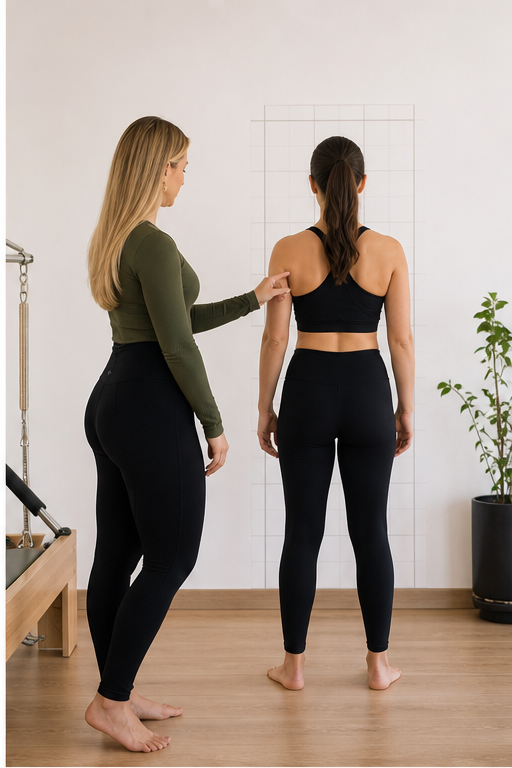
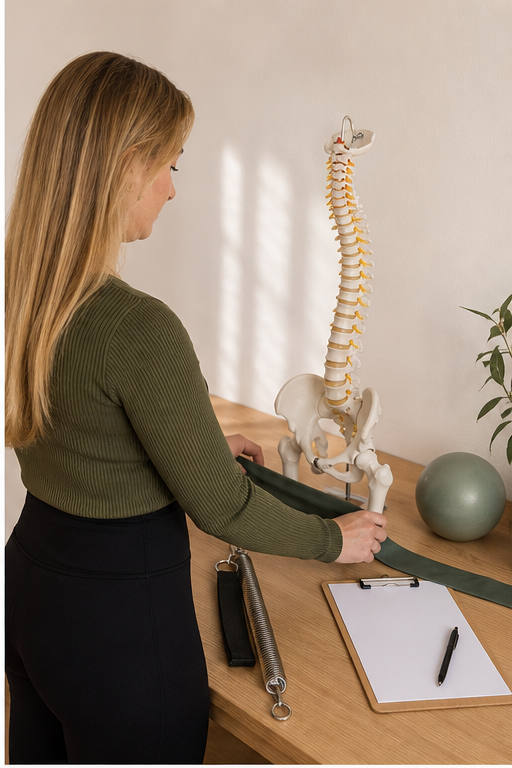
Observation of the body standing and in simple movements shows compensations, asymmetries, rigidities and strategies that the body created to protect itself.
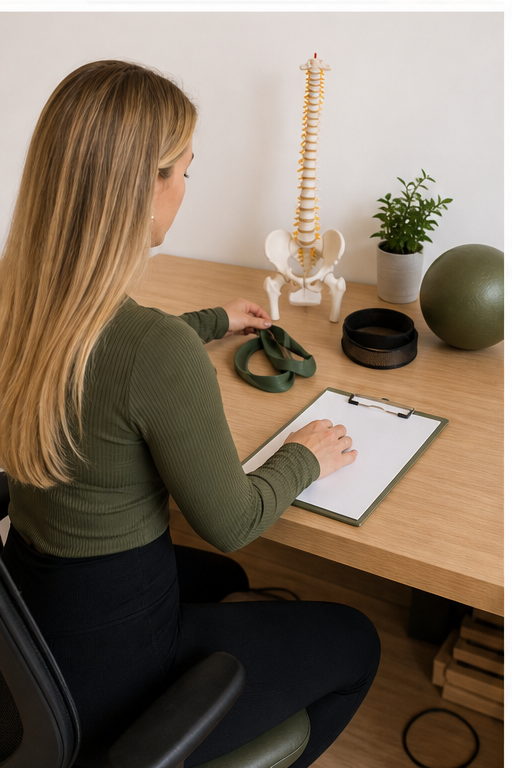
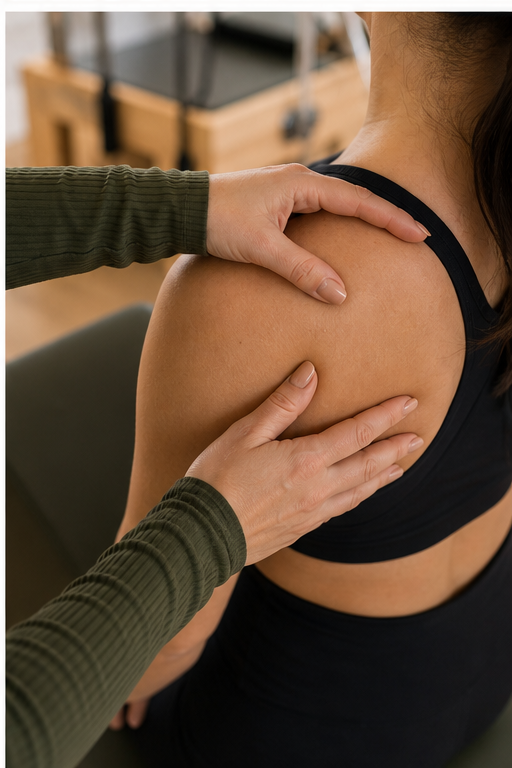
During the session, correction is done closely: alignment, breathing, control and load are adjusted so that movement can be understood by the body, not just executed.
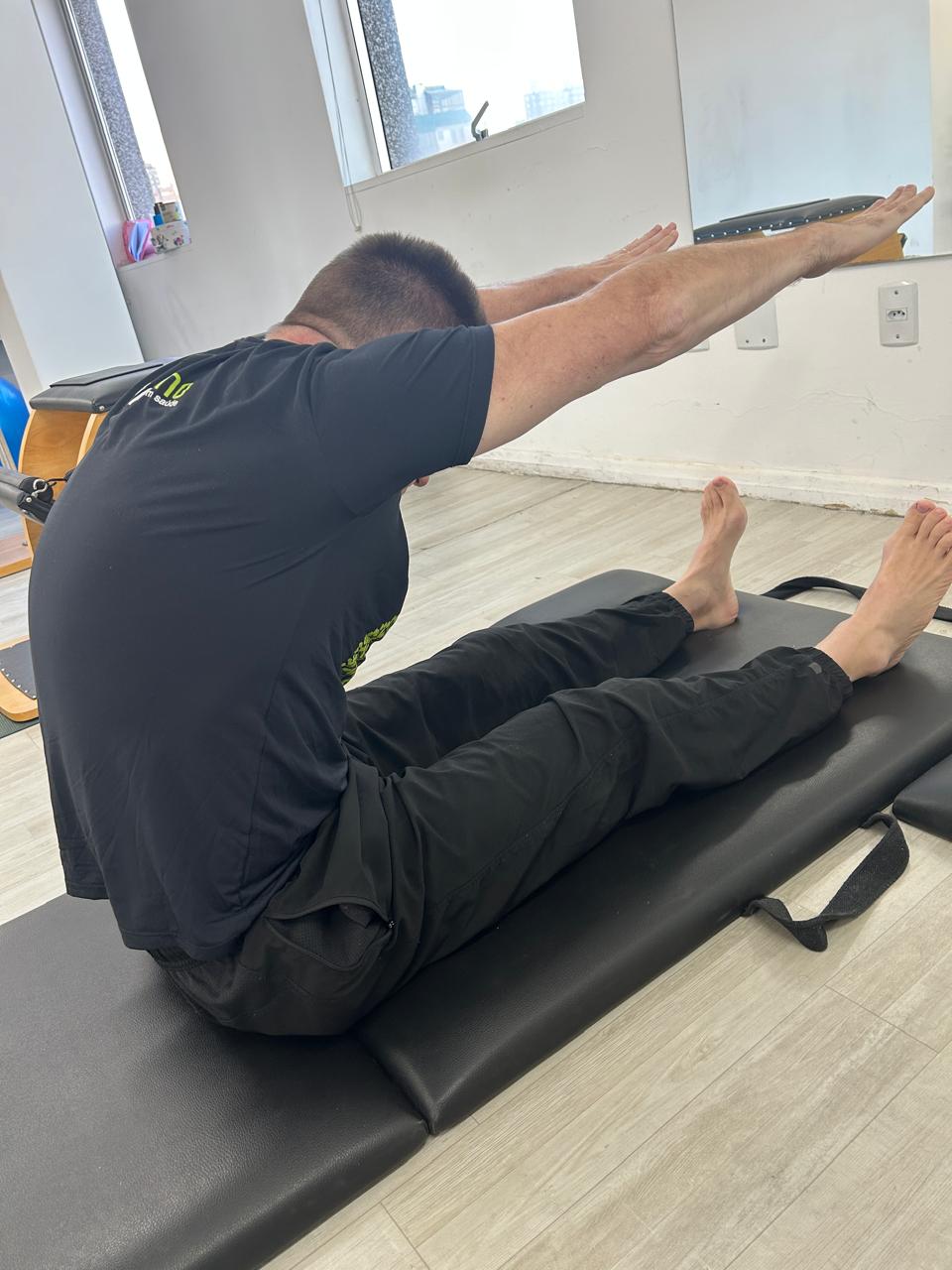
When the body is ready, the apparatus becomes a tool for strength, mobility and confidence. Progression respects the clinical context, but it also points to autonomy.
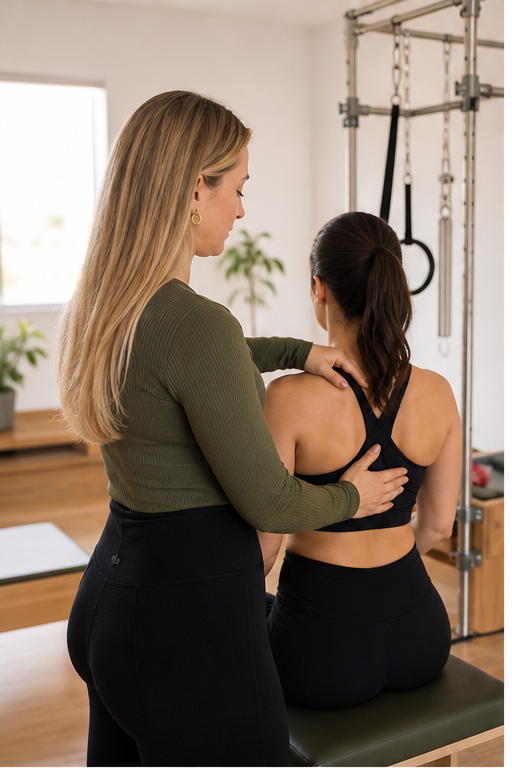
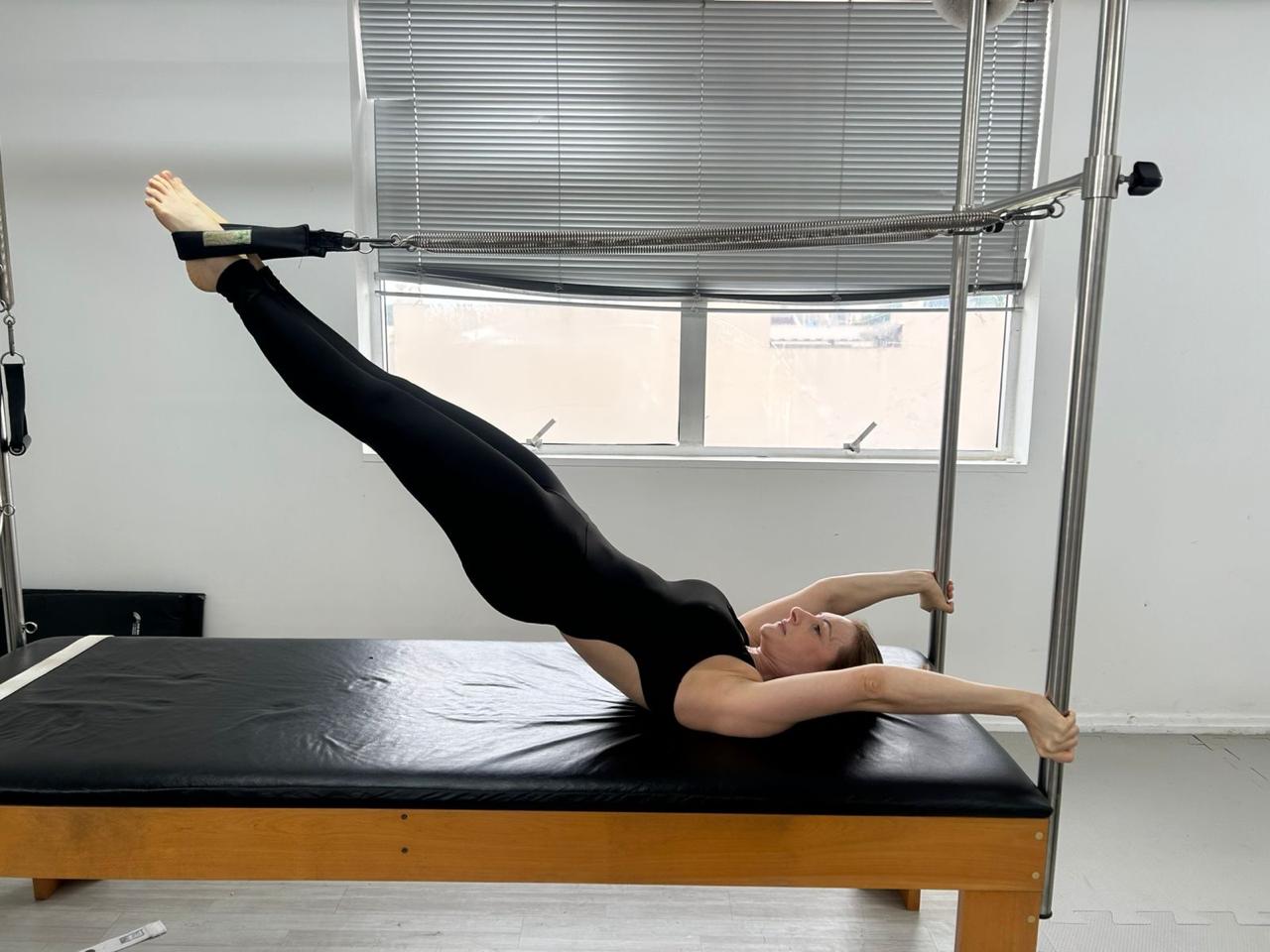
The spine is not treated in isolation from the person. Routine, sleep, work, history, strength, breathing and fear of movement also come into the conversation.
The assessment looks at posture, mobility, control, pain, compensations and goals. Based on this, the plan combines physiotherapy resources with Pilates progressions when they make sense for the condition.
In post-operative cases or specific conditions, the service respects the authorization and instructions of the responsible professional. The proposal is to add care, not replace medical monitoring when it is necessary.
Each step needs to make sense for today's body and for the life you want to get back to.
Understand pain, movement, routine and function before defining the care plan.
Reduce overloads and regain control with possible and well-executed exercises.
Build strength, mobility and confidence to sustain results on a daily basis.
Send a message with your main complaint and how long it has lasted.
Schedule via WhatsApp