i.
Powerhouse
The main focus is on the body's power center: abdomen, lower back, glutes and pelvic floor. It is from him that stability, posture and control.
Classical Pilates is the method preserved from Contrology, created by Joseph Pilates: an organized, progressive and precise practice that integrates strength, control, breathing and body awareness.
online In-person & Online Classical Pilates and LPF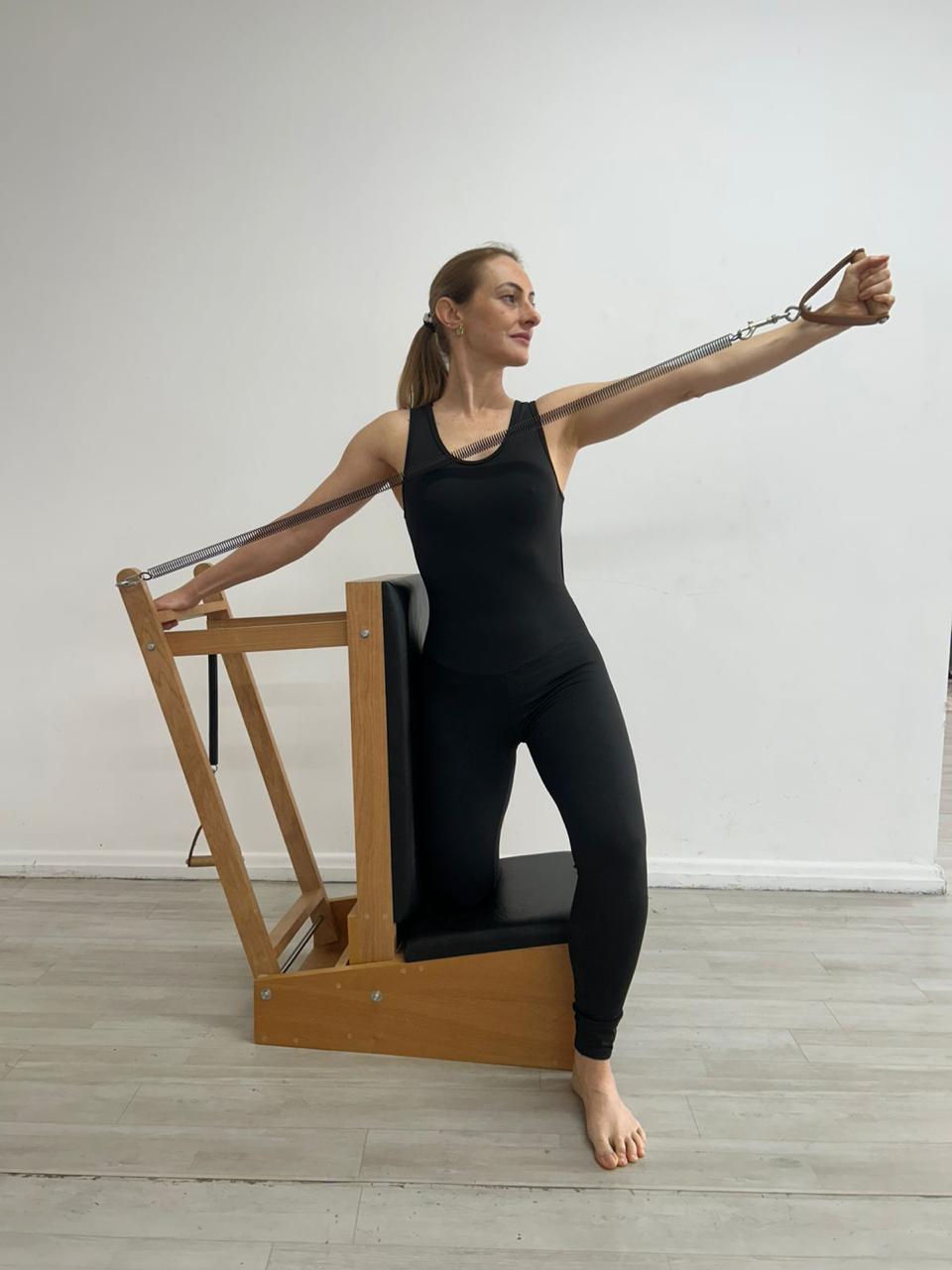
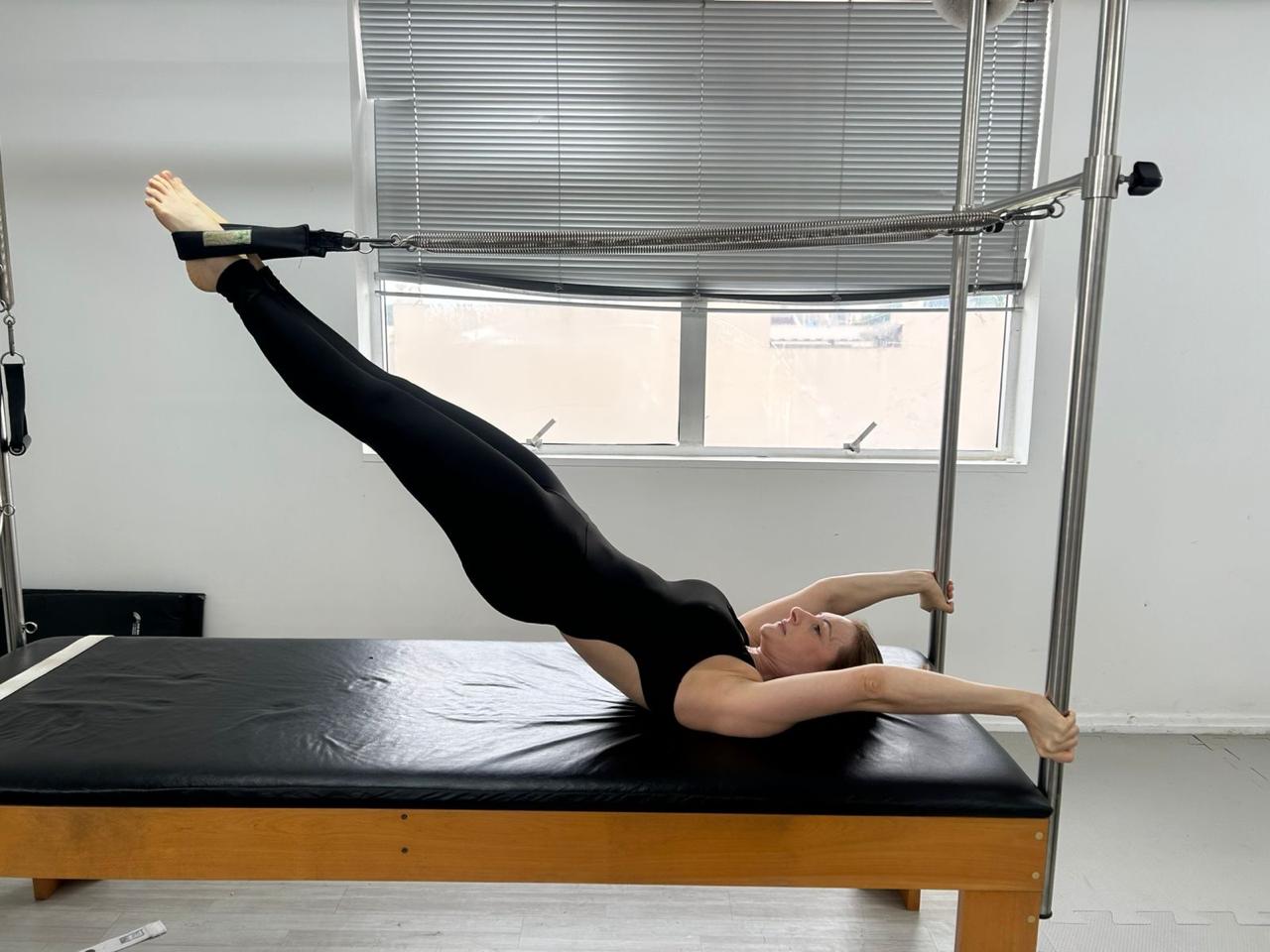
Many people come to Pilates expecting to find just another method for gaining strength and flexibility.
Joseph Pilates was born in Germany in 1883. As a child, he faced asthma, rheumatic fever and rickets; This experience marked your search for a stronger, healthier and more integrated body.
Determined to strengthen his own body, he studied anatomy, gymnastics, diving, boxing, martial arts and different physical practices. From this research was born Contrology: a method to educate the body whole, uniting mind, breath, center, precision and fluidity.
In 1926, Joseph moved to New York with his wife, Clara Pilates. Together, they opened a studio and started teaching the method, which gained recognition among dancers and artists for the ability to improve posture, strength, flexibility and prevent injuries. There are reports that names like Martha Graham and George Balanchine recommended the practice to their dancers.
Joseph also left two important works: Your Health, 1934, and Return to Life Through Contrology, from 1945, book in which he presented the 34 classic floor exercises. After your death, in 1967, his direct students, known as Pilates Elders, they continued to spread the technique and preserve the essence of the method.
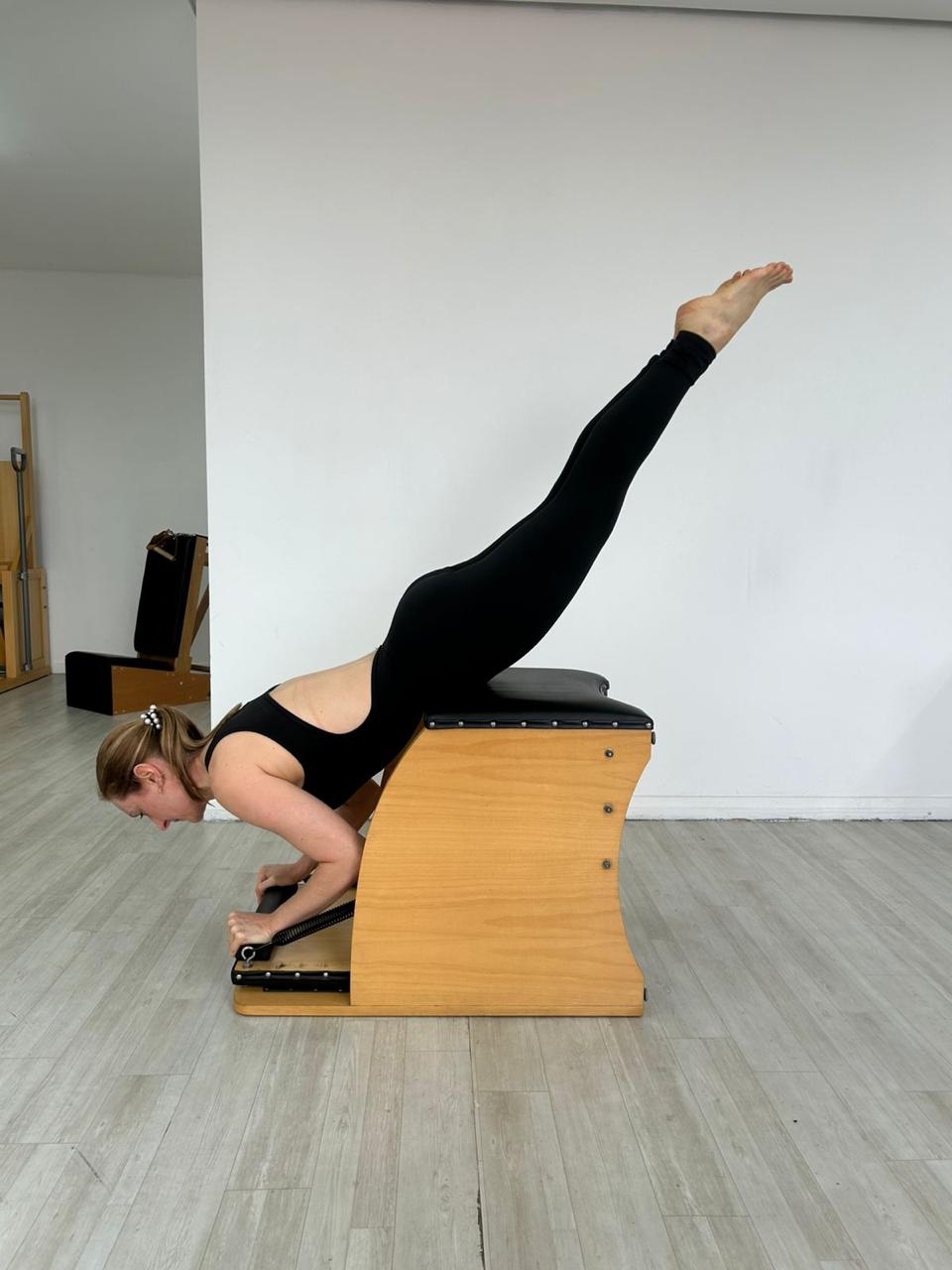
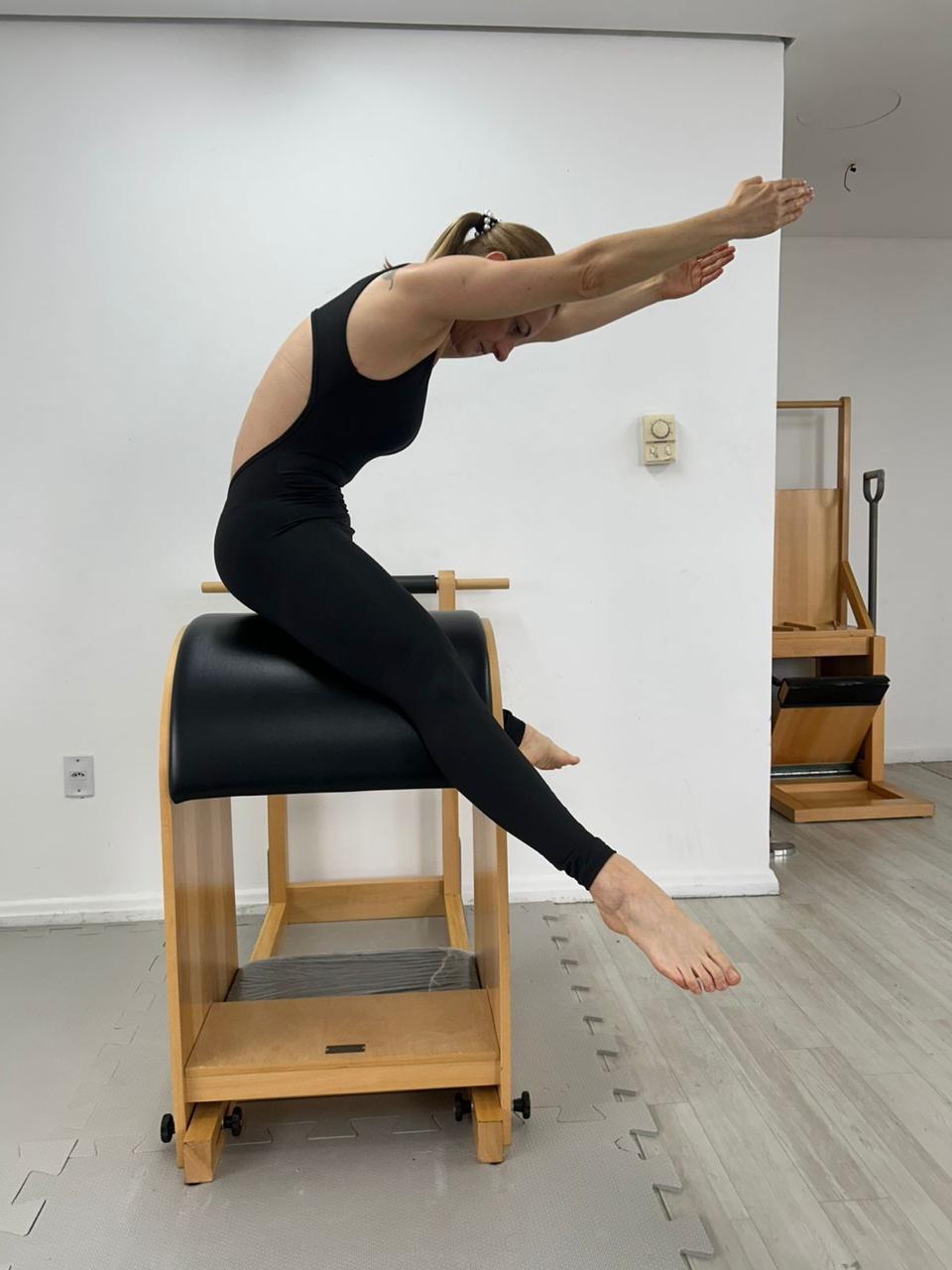
Classical Pilates keeps the sequence, principles, exercises and apparatus created by Joseph Pilates. Each movement prepares the next.
The main focus is on the body's power center: abdomen, lower back, glutes and pelvic floor. It is from him that stability, posture and control.
Concentration, control, precision, centralization, fluidity and breathing organize the session. The body works as a whole, with presence and direction.
The exercises follow a specific order. Evolution happens by layers, as the body gains control, quality of movement and technical security.
Preserving the classic does not mean ignoring the person. It means using a solid structure to adapt with discretion.
In the studio, Classical Pilates can be offered individually or in pairs, according to need. Even in pairs, driving remains close, with specific corrections and choices.
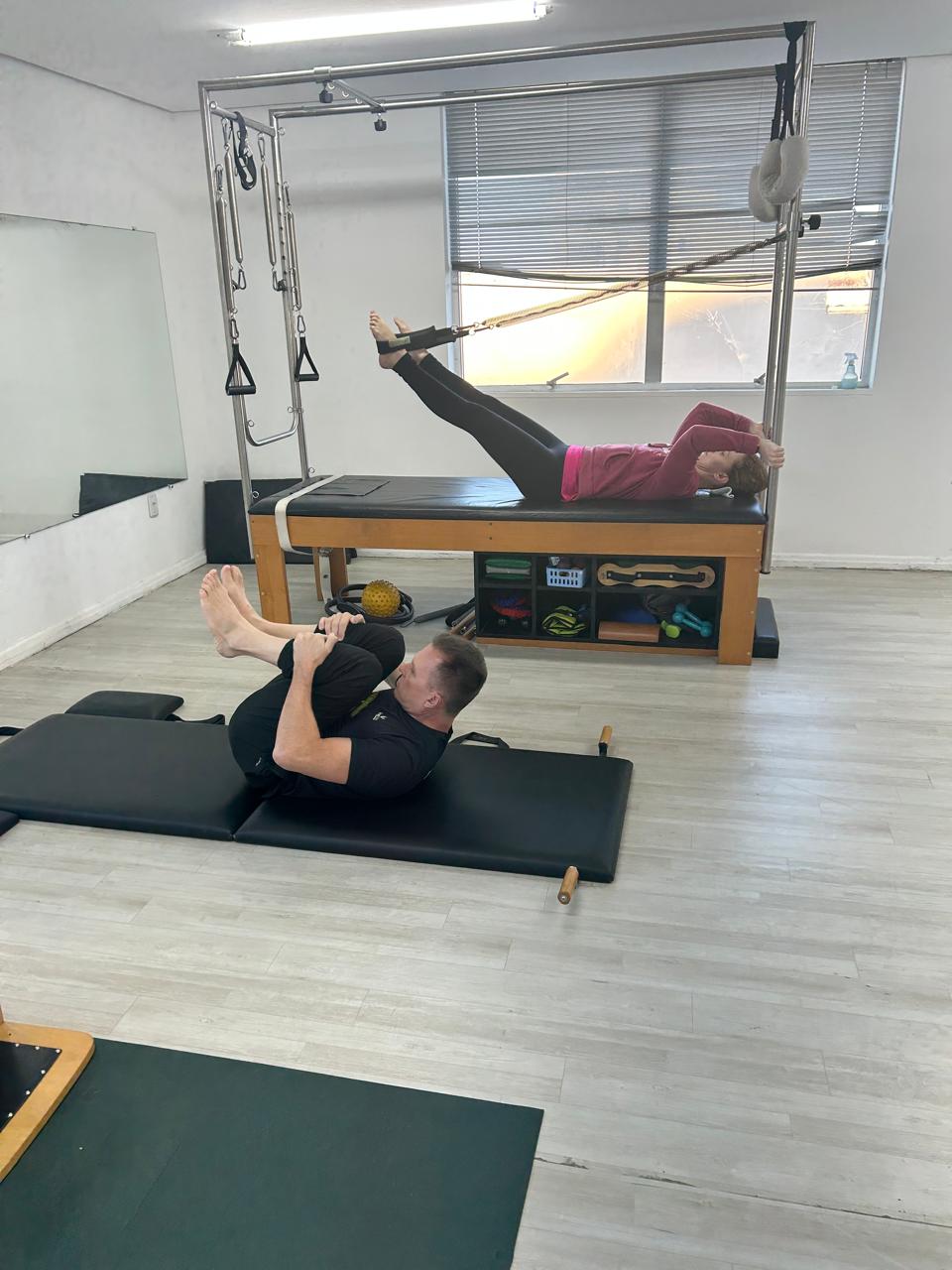
Foot position, direction of gaze, breathing, rhythm and spinal organization changes the quality of the exercise. Therefore, Technical support is a central part of the session.
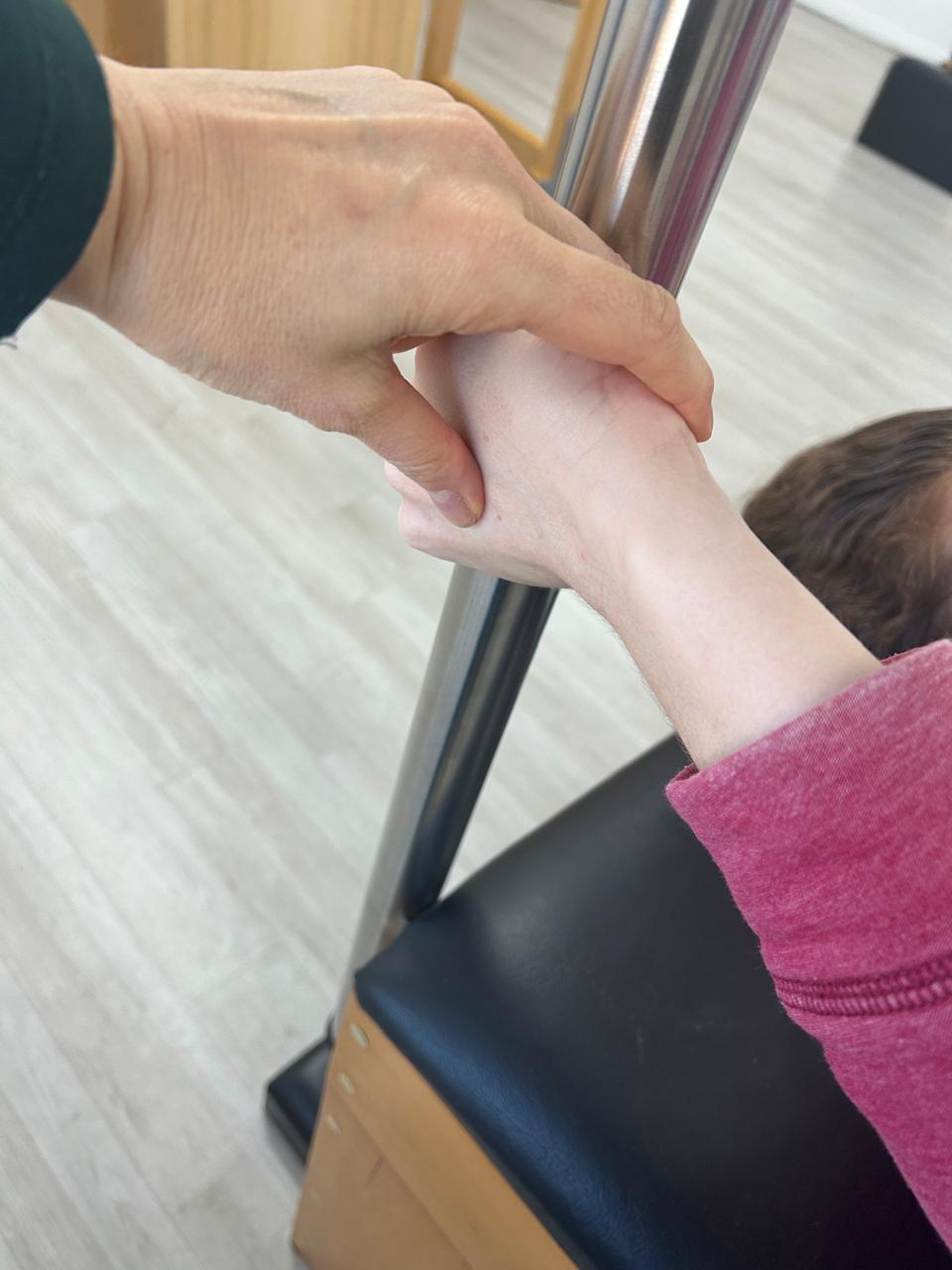
The classical structure gives direction, but the direction looks at the person: level, history, pain, objective and body response in each session. The method serves the movement, not the other way around.
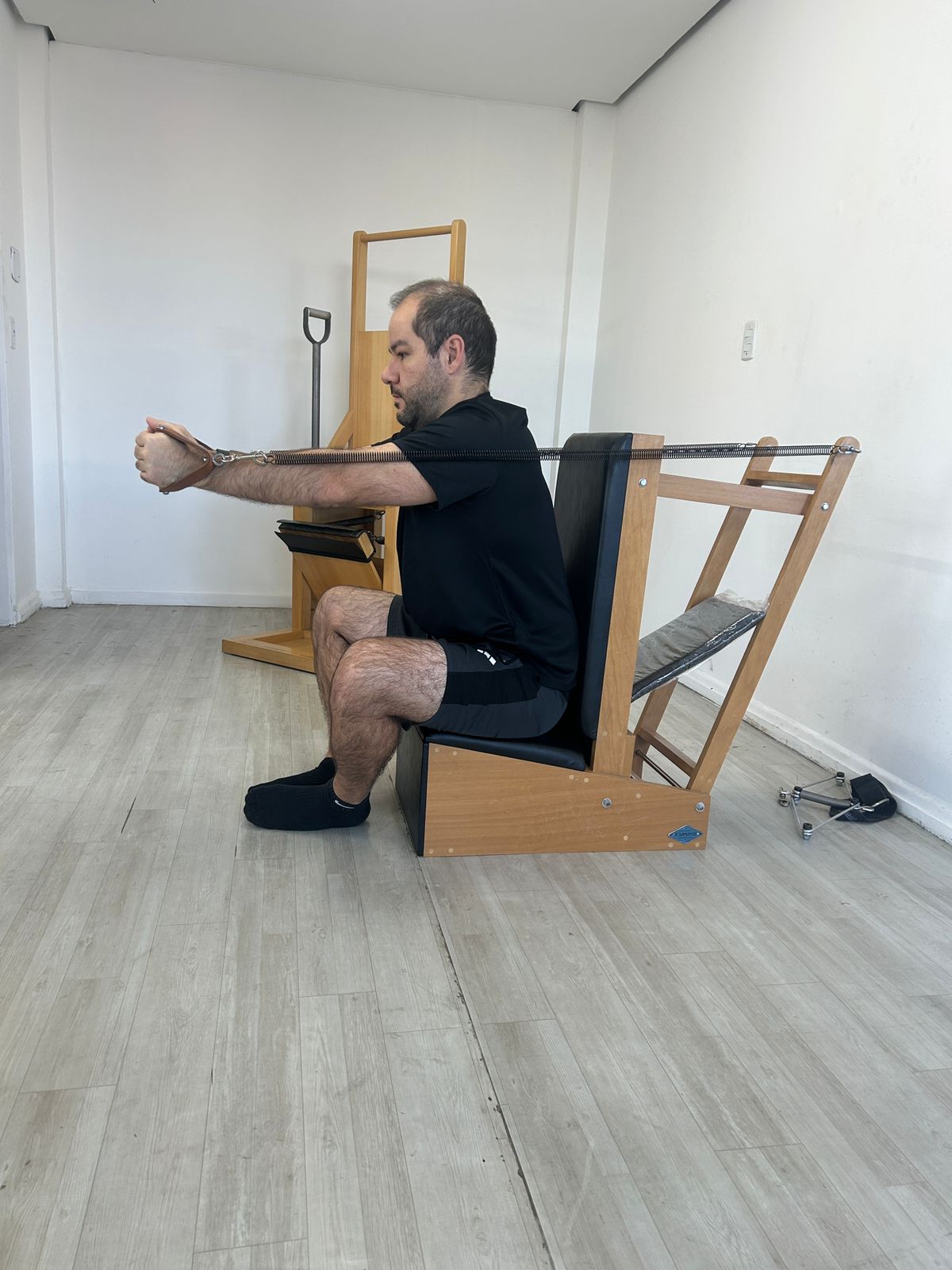
Send a message telling us your goal. Assessment helps to define whether the best start is Classical Pilates, physiotherapy or a combination of the two.
Schedule via WhatsApp