i.
Prepare
Breathing, mobility and deep strength to better sustain the changes of pregnancy.
Pregnancy changes the body every week. In Classical Pilates, individual or in pairs, we adjust breathing, mobility, strength and comfort to what you feel in each phase.
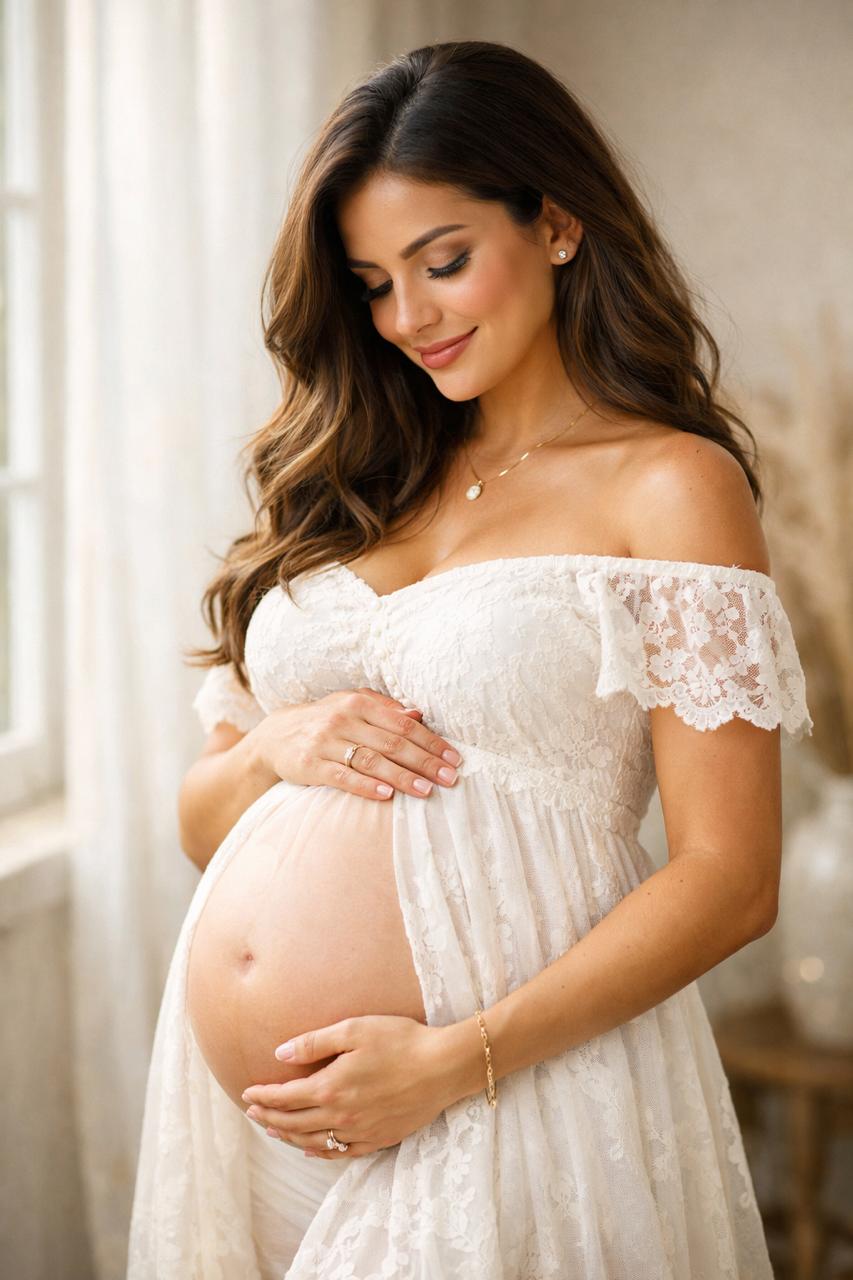
The session respects the stage of pregnancy, the symptoms of the day and the release of obstetric monitoring.
The work may involve hip and spine mobility, pelvic-floor awareness, breathing, stability, taping and manual comfort resources, such as rebozo, when they make sense for that stage of pregnancy.
In the postpartum period, the return is guided with attention to recovery, real-life routine and the changes that continue in the body. The goal is to recover function, respecting the body's pace.
Work on the equipment makes it possible to adjust load, range and rhythm with care, respecting the stage of pregnancy, breathing and the body response during the session.
These images show closely guided practice. Each exercise is chosen after the assessment, with the safety and comfort of the pregnant woman in mind.
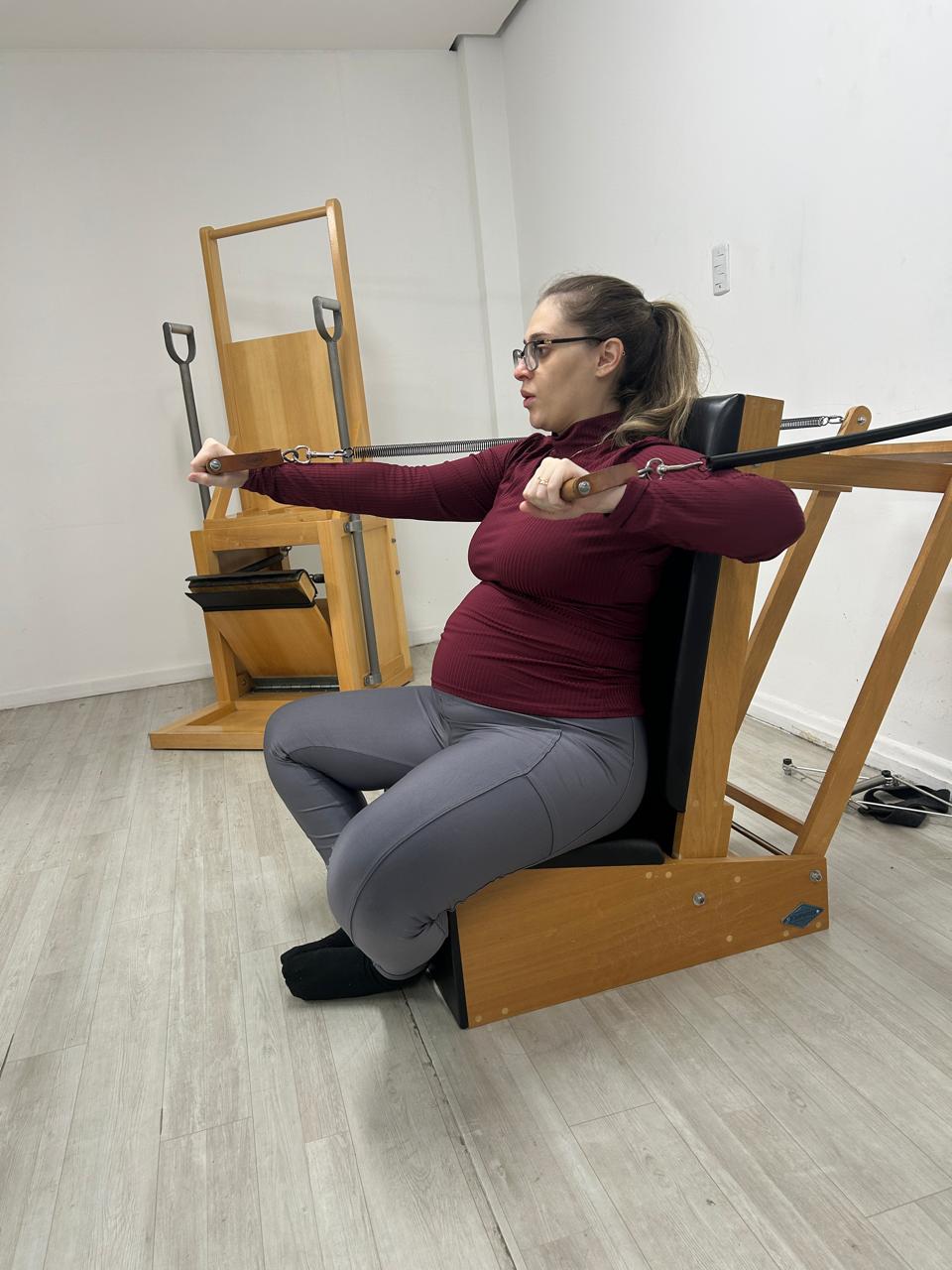
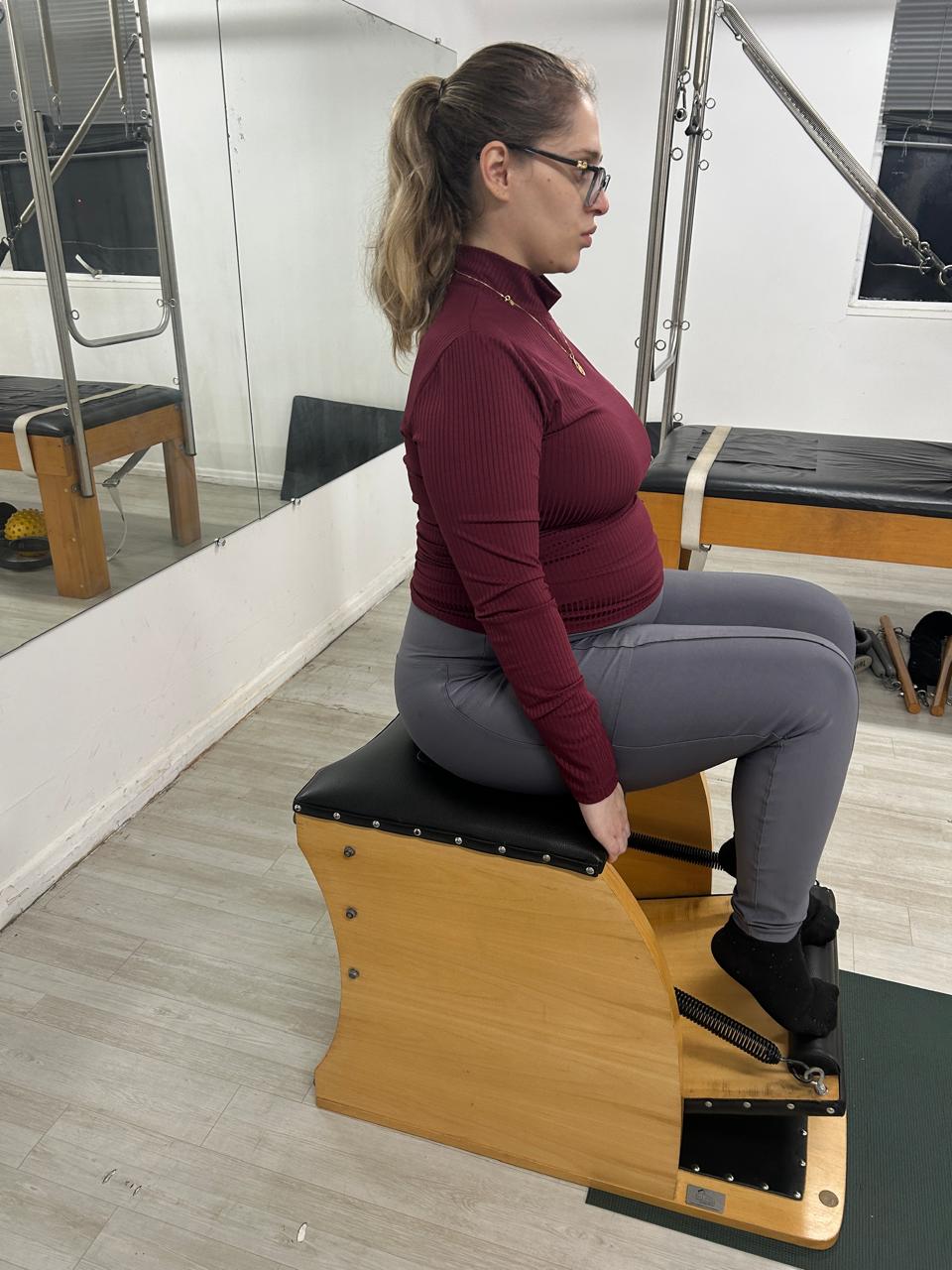
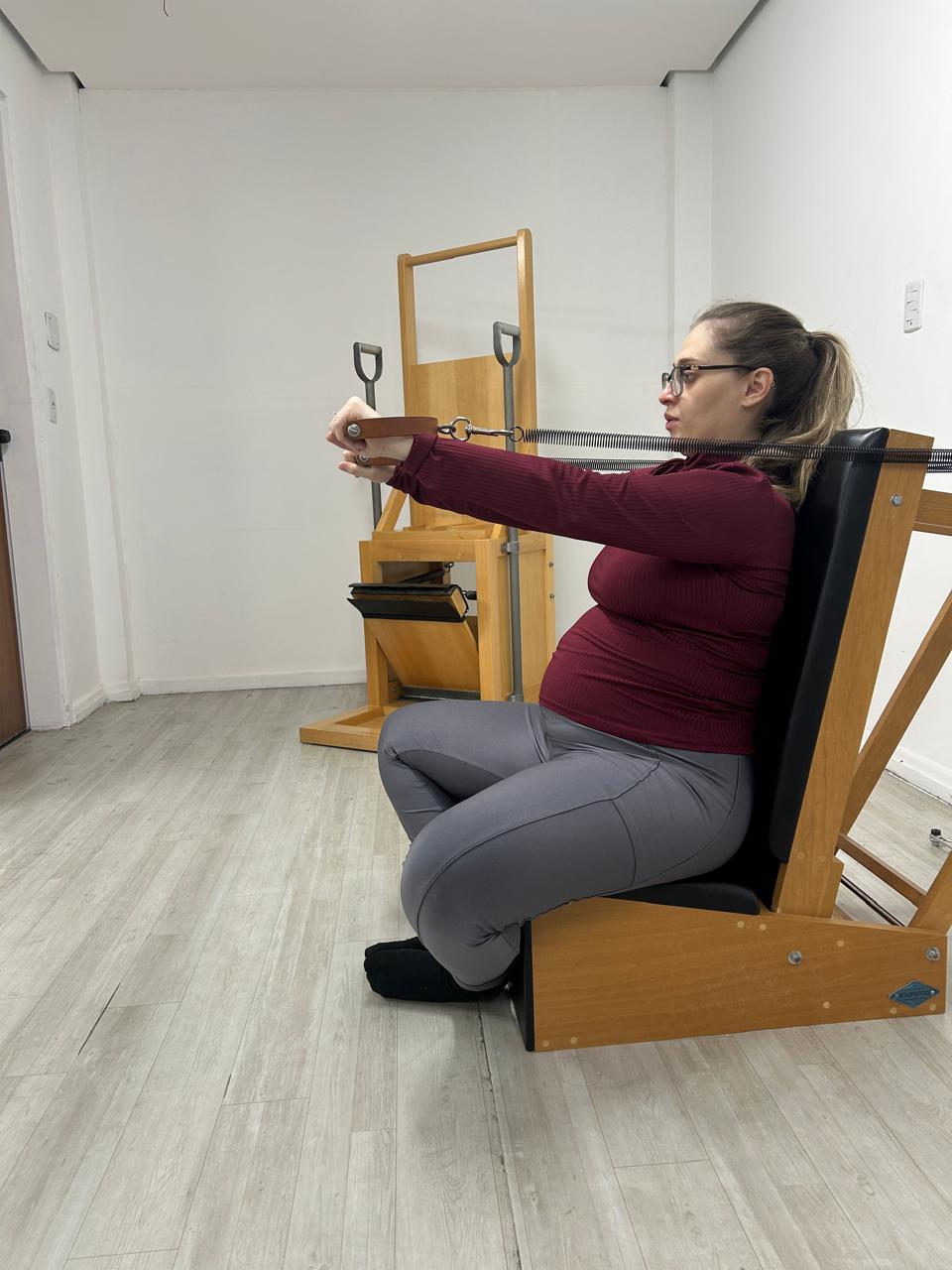
The focus changes as the body changes. Therefore, evaluation and listening come before the sequence of exercises.
Breathing, mobility and deep strength to better sustain the changes of pregnancy.
Movement strategies to reduce overload and discomfort without losing safety.
Postpartum with individual progression, respecting healing, energy and routine.
Images are used as visual support for the accompaniment: not as a promise result, but as a way of observing changes, support and comfort throughout the care.
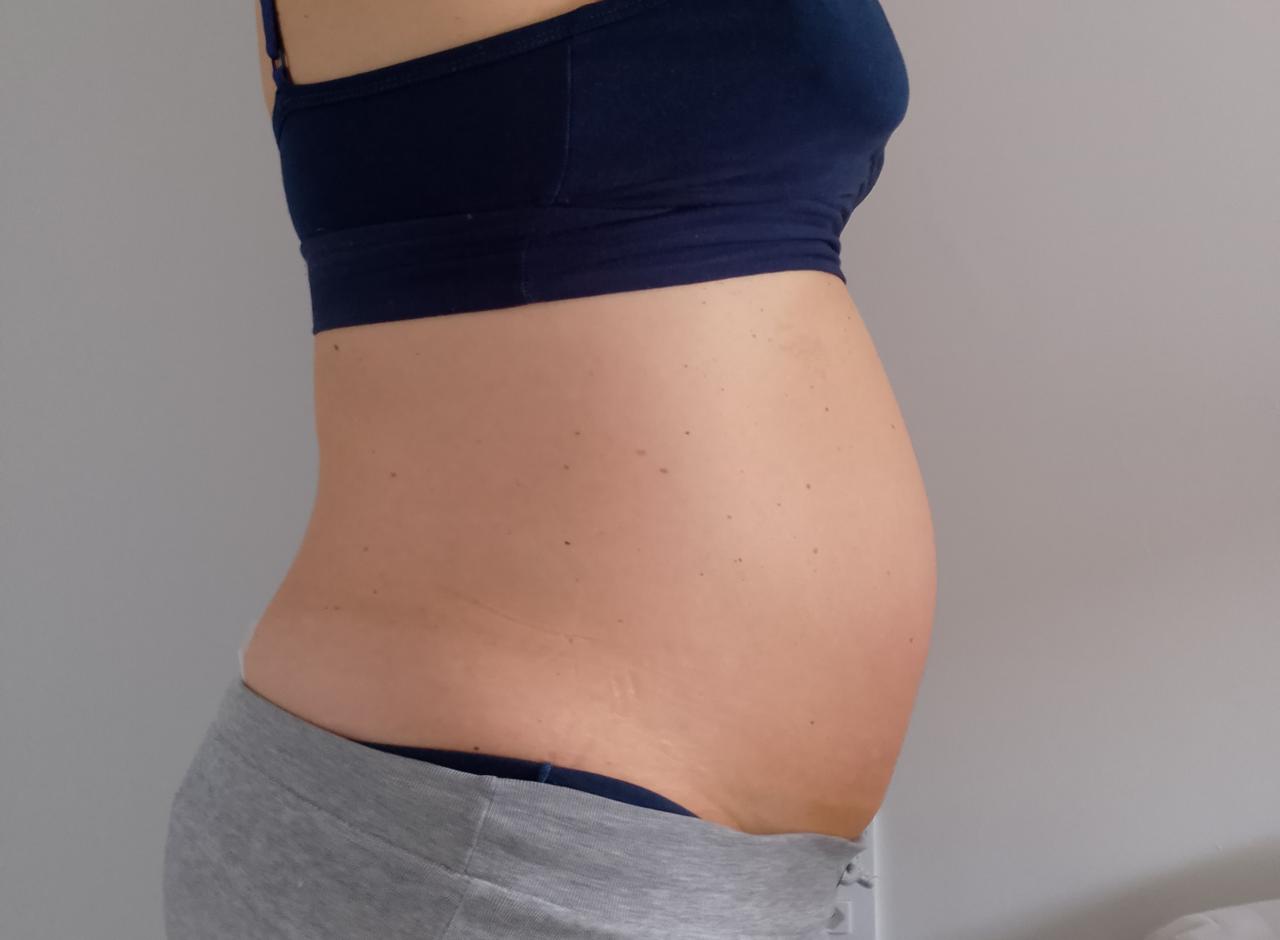
The starting point considers postural profile, tension, sensation of weight, breathing and comfort.
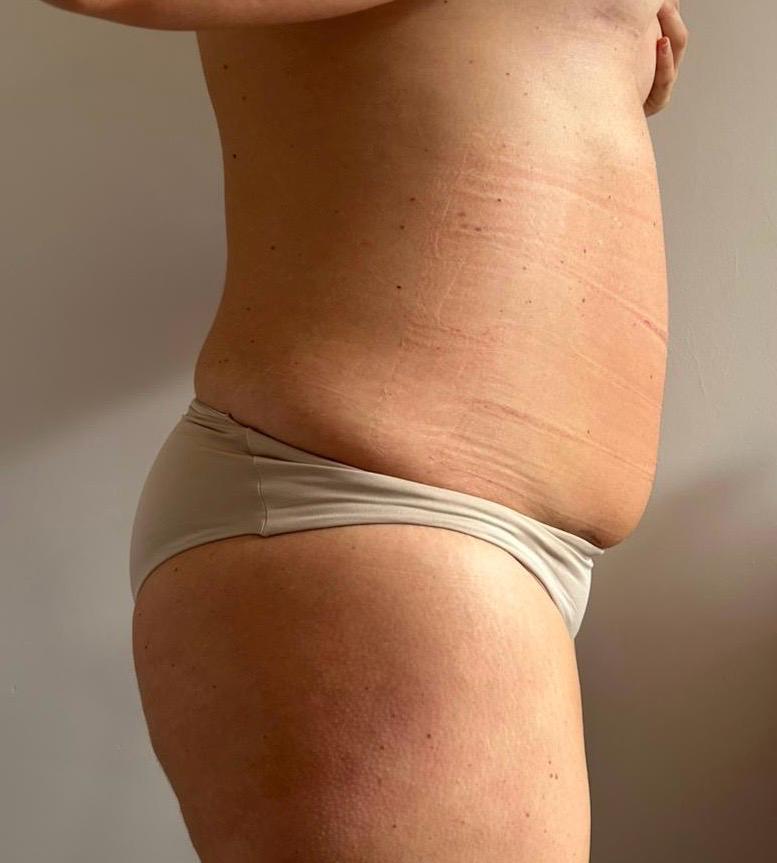
The changes are observed along with the pregnant woman's reports and functional evolution.
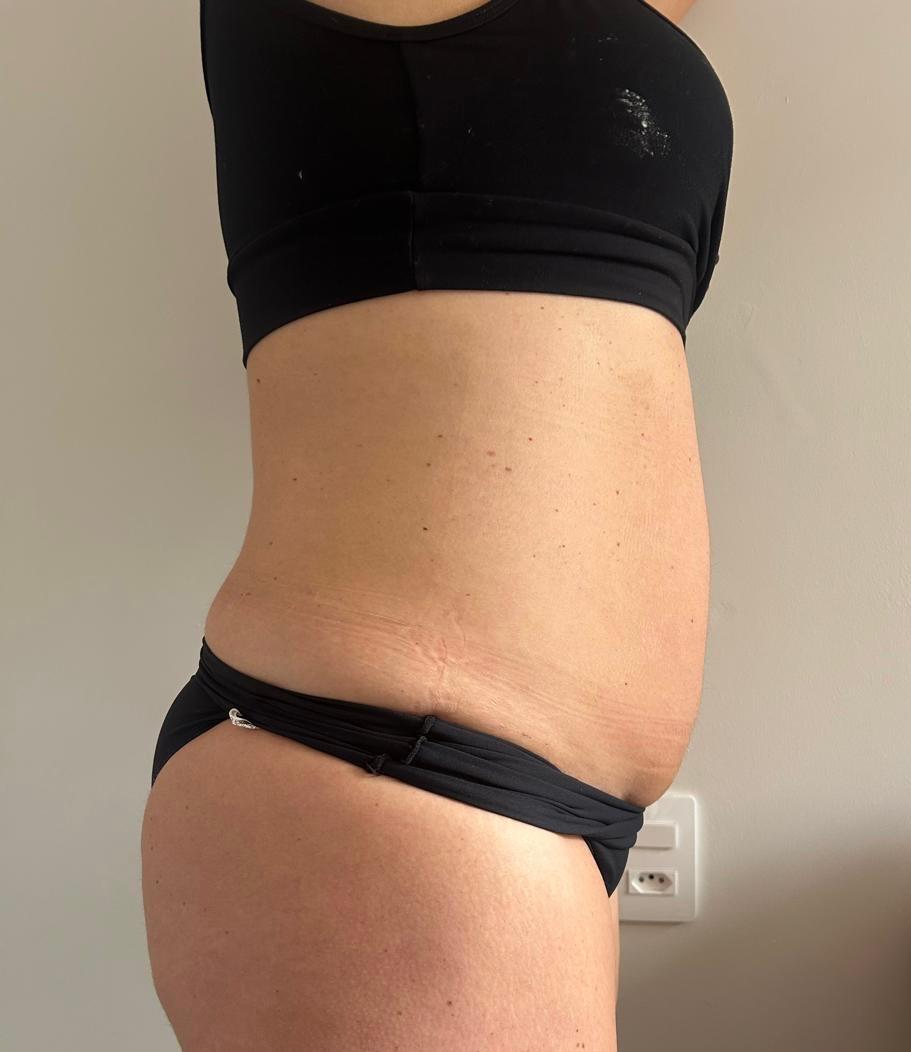
The plan continues to be adapted according to comfort, stage of pregnancy and routine.
In addition to Pilates and physiotherapy, I use complementary techniques when they make sense for the pregnant woman and the goal of the session.
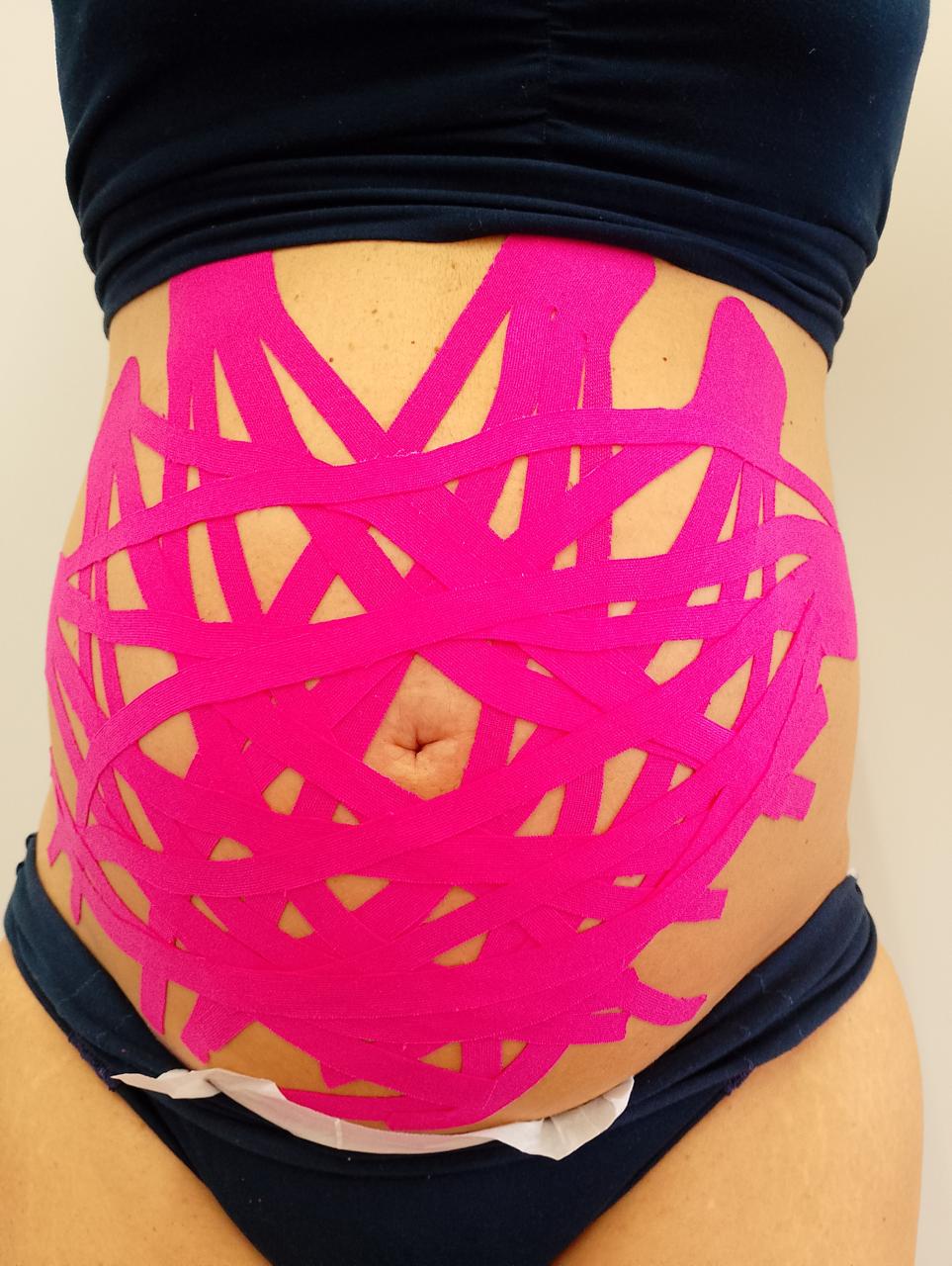
Taping is an elastic application used as a support resource. In pregnant women, it can help with body perception and comfort from overburdened regions, especially when combined with assessment, movement and individual guidance.
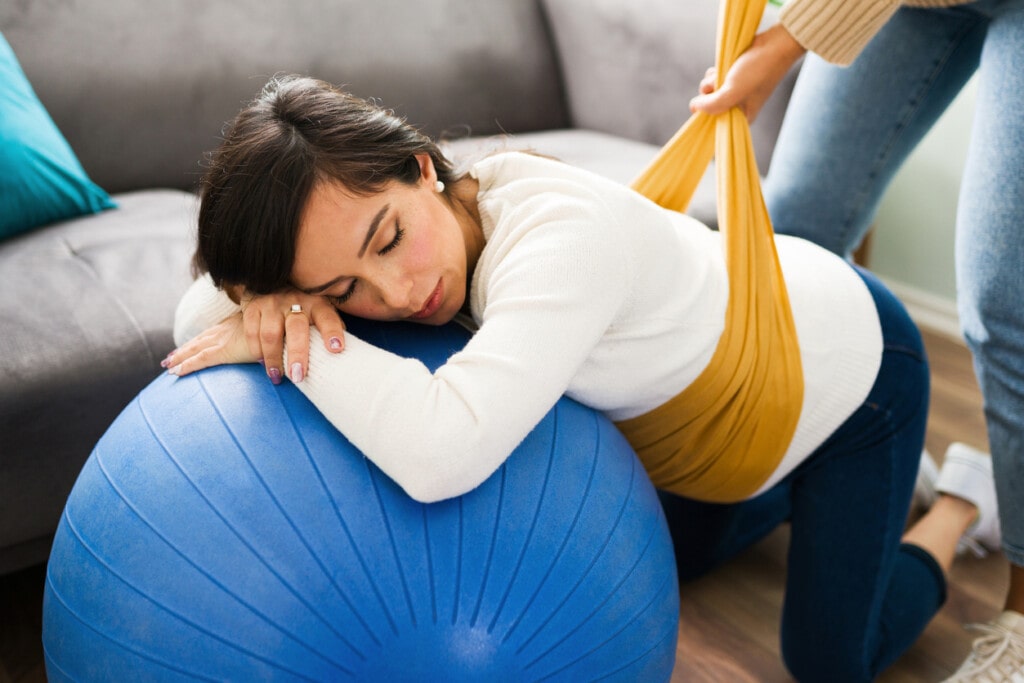
Rebozo is a traditional Mexican technique using fabric to gentle swings, relaxation and body awareness. In the care of pregnant women, can be used as a resource for comfort, mobility and reception, always respecting safety, stage of pregnancy and sensation of the person served.
A physiotherapeutic follow-up of approximately 5 weeks, with initial interview, hospital and home care when indicated, taping, drainage, posture, exercises and care for diastasis.
Get to know the programIndividual, humanized and organized physiotherapy in stages to comfort, functional recovery, overload prevention and more security in the routine with the baby.
In an interview with Dani Jacobsen, Débora talked about the role of physiotherapy in women's care during pregnancy and postpartum.
In the clip, she explains how well-guided exercise can contribute to comfort, mobility, posture and recovery, respecting the stage of pregnancy, the day's symptoms and obstetric clearance.
Watch the full interview(video in Portuguese)
Send a message with your week of pregnancy or how long since delivery. The assessment defines the starting point.
Schedule via WhatsApp