html Low Pressure Fitness · Débora Cherubini
Schedule via WhatsApp
Low Pressure Fitness · Hypopressives · Postpartum & Rehabilitation

Strength without pressure.

Low Pressure Fitness is a method created in Spain by Piti Pinsach and Tamara Rial, based on hypopressive exercises, postural re-education and breathing techniques. The practice works the deep muscles of the abdomen, pelvic floor and body alignment with careful progression.

online In-person & Online Classical Pilates and LPF
Method hypopressive
Measurements up to 12 cm in some cases*
Certified in Brazil by Carol Lemes
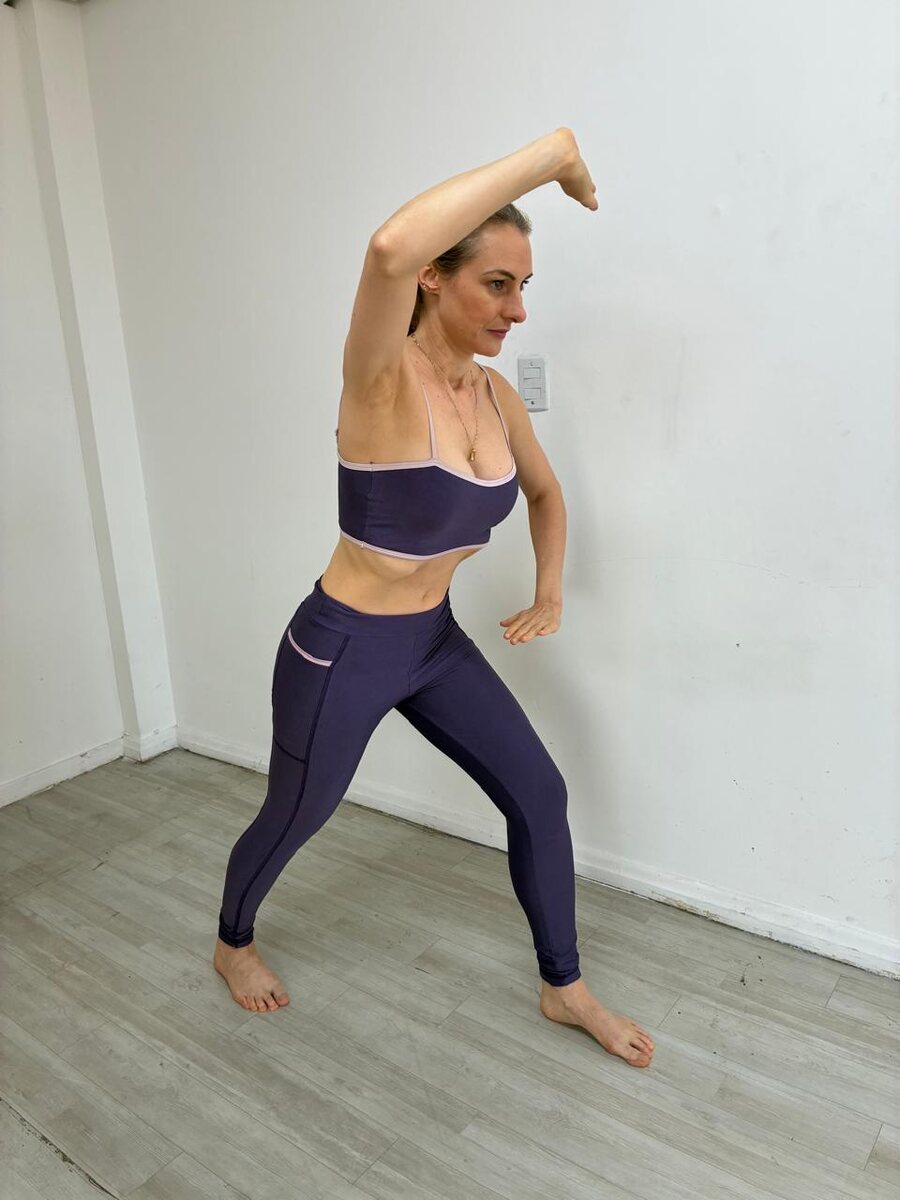
Débora Cherubini demonstrating Low Pressure Fitness posture.
Débora Cherubini in Low Pressure Fitness posture.
Débora Cherubini Certified in LPF in Brazil by Carol Lemes · CREFITO 5-62253
The method

Hypopressives: low pressure, real body awareness.

to work the deep core without relying on brute strength. The proposal is to improve perception, stability and alignment, respecting limits and history of each person.

The method gained popularity for contributing to posture, awareness body, core stability and reduction of intra-abdominal pressure during execution. Many people also report improvement in pain lumbar spine, respiratory function and abdominal and pelvic tone throughout of guided practice.

Created in 2014 in Spain by Piti Pinsach — physical trainer and doctor in Medical Morphology — and for Dr. Tamara Rial, PhD in Science Exercise at the University of Vigo. The two developed the LPF as a complete system based on the hypopressive technique, originally researched by Belgian doctor Marcel Caufriez in the 1980s. Today the method is used in movement contexts, postural re-education, postpartum and pelvic rehabilitation, always with indication adjusted to each case.

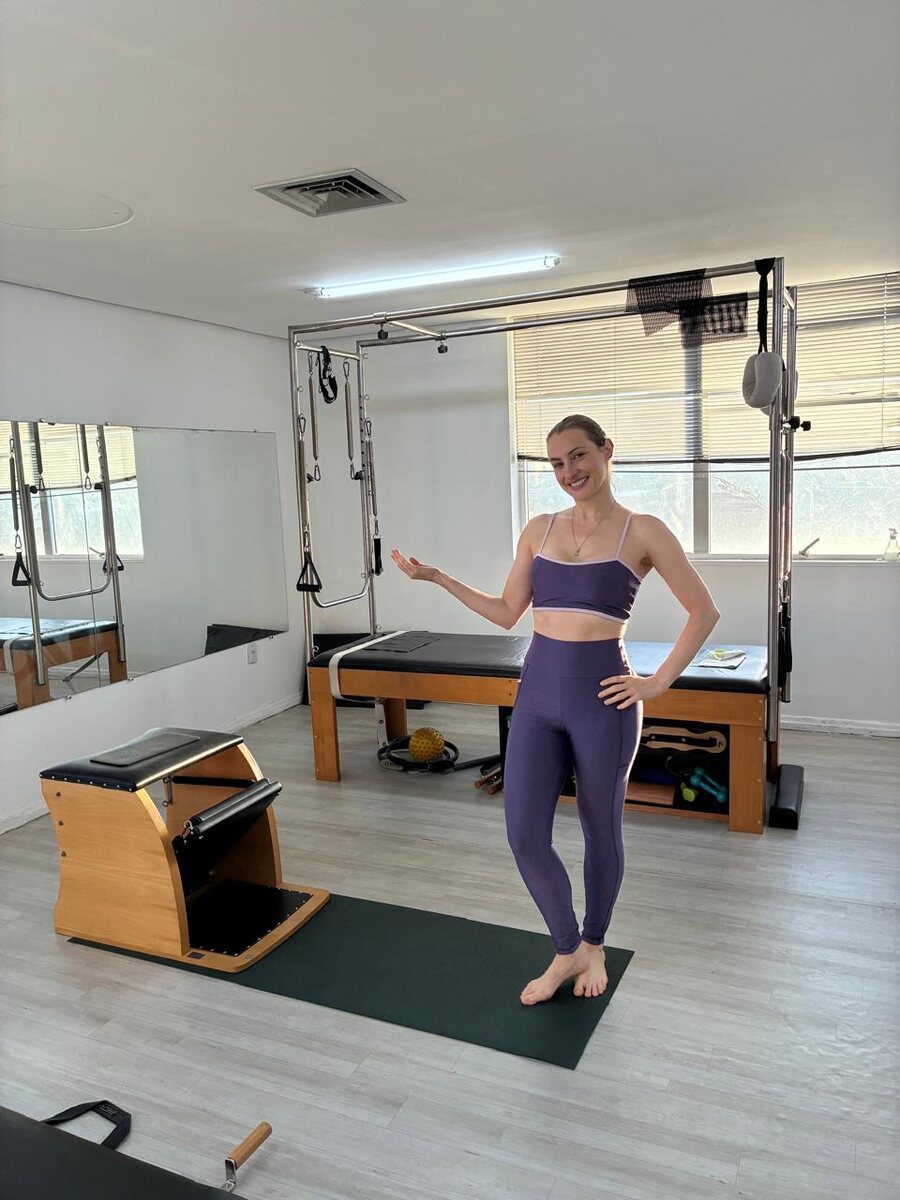
Débora is certified in Low Pressure Fitness and applies the method as a complementary resource in posture, core, pelvic floor, postpartum and body awareness.

Pelvic floor Postpartum Abdominal diastasis Prolapse Incontinence Posture Breathing Sports performance
The practice

What happens in each session.

progressive. The technique requires precision; Therefore, the evaluation defines rhythm, adaptations and objectives before practice.

i.

Hypopressive postures

Each posture is performed with precise spinal alignment, pelvic girdle and limbs. Position organizes the system muscular-fascial so that the next step — breathing — produce a hypopressive effect.

ii.

The breathing pattern

Breathing is slow, lateral costal and deep. When exhaling completely, the diaphragm rises and the pelvic floor receives elevation reflex stimulus. It's the opposite of what happens in a conventional sit-up.

iii.

The hypopressive maneuver

At a specific moment during exhalation, the ribs open no air intake — creating negative pressure in the abdomen and in the pelvis. This reflex apnea is the "signature" of the method and produces deep activation without voluntary muscular effort.

iv.

Progression and result

With regular practice, one tends to gain more awareness postural, respiratory control and core stability. The evolution It is individual and must respect symptoms, history and clinical guidance.

Indications

Who LPF can help.

The method can be used as a complementary resource in different phases, always after assessment and with individual guidance.

01

Postpartum & pelvic rehabilitation

Postpartum, LPF may enter as part of a progressive recovery, focusing on breathing, posture, deep abdomen and pelvic floor. The indication depends on the evaluation, clinical clearance and timing of recovery for each woman.

02

Incontinence & prolapse

In cases of incontinence or prolapse, hypopressive work can be considered within a conservative plan, always respecting physiotherapeutic assessment, symptoms and medical monitoring when necessary.

03

Abdominal diastasis

In cases of diastasis, the priority is to reorganize breathing, posture and unhurried deep abdominal activation. LPF can compose this plan along with therapeutic exercises and routine guidance.

04

Athletes & high impact sports

Running, Crossfit, volleyball and jumping sports generate pressure repetitive motion on the pelvic floor. LPF is used as complementary training to balance this load, promote awareness respiratory system and help control the center during sports.

05

Abdominal & spine hernia

In abdominal hernias, low back pain and spinal complaints, low blood pressure and postural re-education can help to better organize movement. Management depends on the condition, symptoms and clinical guidelines.

06

Conditioning & Functional Aesthetics

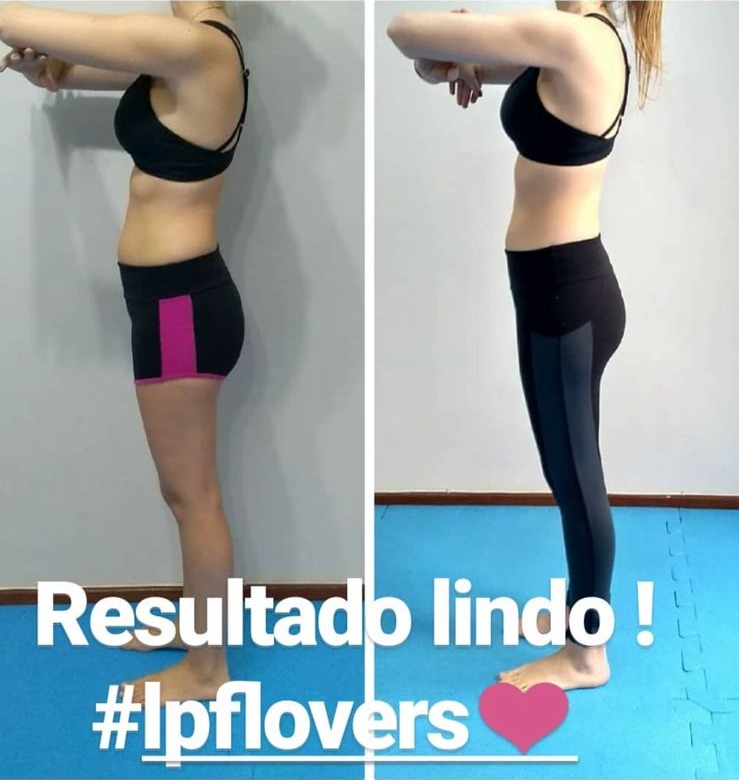
Although it is known as the "negative belly technique", LPF does not promotes direct weight loss. What can happen is a reduction in measures by improving postural organization, intra-abdominal pressure, of deep tone and awareness of the center. In some cases, this change makes the waist visually slimmer and contributes to self-esteem.

up to 12 cm reduction in abdominal circumference in some cases, without being a promise of weight loss.
Before and after student practicing LPF, record already published on Instagram.
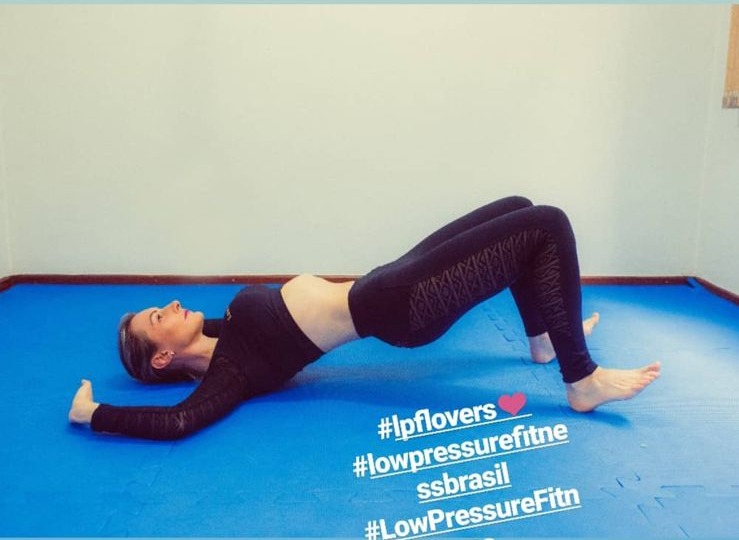
Student in Aphrodite hypopressive posture during LPF practice.
Published record

When posture, breathing and consistency show up in the body.

This before and after of a student was published on Débora's Instagram and comes here as a visual example of accompaniment with LPF.

The most important reading is not a promise of weight loss: it is organization. Hypopressive work can promote body awareness, better alignment, abdominal tone, functional repositioning of pressures inner feelings and awareness of the center when practiced with guidance and regularity.

This reorganization may also appear as a reduction in measures and more defined waist in some people. In some cases, this reduction can reach up to 12 cm in abdominal circumference, which has aesthetic value and can positively impact self-esteem. Each body responds differently: individual results should not be generalized, and the indication of LPF depends on the initial assessment, the person’s clinical history and goals.

Understand the difference

Hypopressives vs. conventional abdominals.

The distinction is simple — and important to understand why some People get worse with traditional core exercises.

Conventional

Hyperpressive exercises

Sit-ups, plank, squats and most weight training exercises core increase intra-abdominal pressure. This increase pushes the pelvic organs downward and outward — which can worsen prolapse, incontinence, diastasis and hernias in people with compromised pelvic floor.

Pelvic pressure · increases
Suitable for healthy general population
LPF · Hypopressive

Low Pressure Fitness

The LPF produces pressure negative inside the abdomen and pelvis. The pelvic organs are raised reflexively, the pelvic floor activates without voluntary effort, and the deep core is recruited without burden scars, prolapses or weakened structures.

Pelvic pressure · reduces
Suitable for · pelvic rehabilitation, postpartum, athletes
Training

LPF certification in Brazil.

Débora is certified in Low Pressure Fitness in Brazil by Carol Lemes, LPF ambassador in the country. The training guides the application of the method with attention to posture, breathing and the progression of each practitioner.

The method was created in Spain by Piti Pinsach and Dr. Tamara Rial, and Débora's certification in Brazil connects this technical base to clinical, individualized and careful monitoring of physiotherapy.

Débora Cherubini

Certified in Low Pressure Fitness in Brazil by Carol Lemes · Physical therapist · CREFITO 5-62253

Schedule a LPF session
FAQ

Questions about Low Pressure Fitness.

The hypopressive maneuver is an apnea performed after a complete exhalation. With empty lungs, the ribs open as if to inhale — but without let the air in. This movement creates negative pressure within the chest, abdomen and pelvis, reflexively elevating the diaphragm and pelvic floor. It is the main method tool and requires precise training to be executed correctly.
Hypopressive (apnea) is contraindicated for people with high blood pressure uncontrolled, heart disease, COPD, active cancer and pregnant women. In these cases, it is possible to practice LPF without apnea, maintaining the postural and respiratory. In the initial assessment, we identify what is appropriate for each case.
They are distinct and complementary methods. Pilates works on strength, mobility and motor control in classic devices — with load and resistance. The LPF focuses in hypopressive respiratory pattern, postural organization and reflex activation of the pelvic floor — without devices and with reduced intra-abdominal pressure. Many People combine both methods within an individual plan.
The hypopressive apnea maneuver is not indicated during pregnancy. However, the postures and costal breathing pattern of LPF can be adapted and used as body preparation. After the birth — with permission from the obstetrician — the LPF can be one of the resources considered in the recovery of the pelvic floor.
The recommended protocol is 3 weekly sessions of 20 minutes, or sessions guided sessions 1 to 2 times a week combined with home practice. Many People report improved posture and abdominal tone in the first few weeks. The response to symptoms such as incontinence and prolapse varies depending on the case, the regularity of practice and the care plan.
Yes. LPF requires precise technical learning — posture, muscle activation accessory breathing and correct execution of apnea. The first sessions are individual sessions to ensure the base is correct before further practice. autonomous. After this phase, it is possible to maintain the practice at home with supervision. periodic.
Yes. Men benefit from LPF for abdominal hernia, post-operative prostate, pelvic floor dysfunction and improved sports performance. The hypopressive maneuver also improves lung capacity — a benefit relevant for anyone who practices any aerobic sport.
Contact

Ready to get started with the right method.

Send a message describing your background or objective. The initial assessment defines whether LPF makes sense for your moment — and how to integrate it into your care.

WhatsApp

Fastest way to schedule and answer questions about LPF.

(51) 99268-3873

Instagram

Content about LPF, postpartum and pelvic health.

@deboracristinacherubini

E-mail

To forward reports, clinical history or detailed questions.

debicfisio@gmail.com

Studio in Porto Alegre

Av. Vicente da Fontoura, 2352 · room 503
Porto Alegre — RS

Service exclusively by appointment.

View on Google Maps
Mon — Fri
8am to 8pm
Session
Individual · appointment